
Oklahoma City Property Management Trends for 2027
By : Simple Property Management
After two years of heavy apartment deliveries and move-in specials across Oklahoma City, the 2027 rental market is settling into a much tighter supply picture. Fewer new units are breaking ground, which gives landlords room to pull back concessions, even while wind and hail deductibles, July 2027 insurance rule changes, and unchanged 5% property tax caps keep operating budgets under pressure.

Listen to This Report
Powered by RedCircle
What This 2027 Report Covers
-
1The 2027 supply cliff & absorption rebound How decade-low construction starts are tightening OKC vacancy.
-
2Concession burn-off & effective rent recovery Why pulling back leasing incentives matters more than headline rent hikes.
-
3Insurance reform (HB 3781) & property tax reality What SQ 847’s defeat and 3%-5% wind/hail deductibles mean for cash flow.
-
4Skilled trade inflation & condition-based maintenance Containing HVAC, plumbing, and turn costs in a tight labor market.
-
5Polarized OKC submarkets in 2027 Moore/Norman tightness vs. Edmond absorption and Yukon/Mustang growth.
-
6Cap rate stabilization & buyer underwriting Why heartland yield spreads are drawing disciplined capital back to OKC.
-
7Pragmatic AI & autonomous property operations Moving past hype to virtual troubleshooting and vendor invoice auditing.
-
82027 owner & operator action plan Practical steps to protect NOI and prepare for mid-year regulatory shifts.
The 2027 Supply Cliff and OKC’s Absorption Rebound
Oklahoma City enters 2027 at the tail end of a multi-year construction wave. Through 2025 and much of 2026, elevated apartment deliveries pushed metro-wide multifamily vacancy into the 11.2% to 11.7% range and forced operators (roughly one in five properties at the peak) to lean on free-month concessions to fill units.
That supply overhang is now drying up. Higher long-term interest rates and stricter construction lending have pushed new multifamily starts in Oklahoma City to near-decade lows, leaving active units under construction at 0.3%-0.8% of total metro inventory.
Aside from a handful of remaining projects slated for completion around spring 2027, such as The Reserve at Chisholm Creek and The Maddox on Eagle, the new-build pipeline effectively bottoms out by mid-year. With steady household formation and a 1.5-million-resident metro economy anchored by aerospace, defense, and advanced manufacturing, existing rentals will face far less new competition.
For owners, this supply cliff changes the playbook. In 2026, defensive occupancy was the priority. In 2027, as remaining units are absorbed, well-maintained single-family rentals and Class B/C multifamily assets gain breathing room to stabilize net operating income, provided owners price accurately to maximize ROI on rental properties in Oklahoma City.
Demand does not need to surge for OKC occupancy to tighten in 2027. Simply maintaining current absorption against a near-empty construction pipeline after Q2 2027 shifts leverage back toward landlords.
Oklahoma City 2027: Economic & Demographic Anchors
High-wage federal and private aerospace anchors
Unlike past cycles tied to energy swings, Oklahoma City’s 2027 rental floor is supported by Tinker Air Force Base (the state’s largest single-site employer) alongside the FAA’s Mike Monroney Aeronautical Center and expanding private aerospace maintenance and engineering firms.
Population growth and affordability migration
The 10-county Oklahoma City metro has reached roughly 1.5 million residents after adding approximately 90,000 people over five years. With a median age near 36 and top-10 national per-capita net domestic migration rankings, household formation continues to feed entry-level rental demand.
Diversified manufacturing pipeline
Advanced manufacturing now accounts for nearly 42,000 regional jobs with average annual wages above $70,000. Industrial and tech manufacturing expansions in corridors like Yukon and Midwest City are creating steady blue- and white-collar renter cohorts.
Baseline rent benchmarks tick upward for FY2027
Even while private-market effective rents were muted by concessions in 2026, HUD’s FY2027 Fair Market Rents (FMR) for the Oklahoma City MSA reflect underlying housing inflation, giving voucher-participating and workforce landlords modest upward indexing.
Concession Burn-Off and Effective Rent Recovery
Throughout 2026, headline asking rents in Oklahoma City held relatively steady, averaging roughly $938 for one-bedroom units and $1,110 for two-bedroom apartments, but effective rents lagged behind. To compete with newly delivered Class A communities, roughly 20% of properties offered move-in specials such as a free month of rent.
In 2027, the primary source of revenue growth will not come from aggressive 6% or 8% rent hikes. Instead, it will come from concession burn-off. As deliveries taper after spring 2027 and lease-ups finish, operators can phase out free-month incentives and recover 2% to 3% in true effective rent growth by late 2027.
At the same time, tenant affordability remains sensitive. Rather than pushing risky double-digit increases at renewal and triggering costly unit turns, disciplined managers are benchmarking renewal offers carefully against neighborhood comps and factoring in total operating overhead, including property management fees in Oklahoma City.
OKC Rent Benchmarks by Unit Size (Asking vs. FY27 FMR)
If your submarket still requires an incentive in early 2027, offer a one-time move-in credit rather than lowering the base lease rent. That preserves your rent roll for 2028 renewals and property valuations.
Keeping a reliable tenant with a modest 2.5%-3% renewal increase almost always outperforms chasing a 5% market bump that results in 30 days of vacancy, turn paint, cleaning, and leasing commissions.
Insurance Reform (HB 3781) and Property Tax Reality After SQ 847
For Oklahoma City landlords, two major policy developments define the 2027 operating budget: structural insurance oversight arriving mid-year, and the outcome of November 2026’s property tax ballot measure.
1. Insurance Costs & HB 3781 (Effective July 1, 2027): Oklahoma consistently ranks among the highest-cost states in the nation for property insurance due to severe convective storms, hail, and elevated reinsurance costs. Standard single-family landlord policies (DP-3) typically quote between $1,800 and $3,500 annually, while standard homeowner (HO-3) policies often run $3,700 to $5,500+. Under House Bill 3781, Oklahoma transitions on July 1, 2027 from a "use-and-file" system (where carriers could raise rates immediately and file later) to a "file-and-wait" framework requiring advance rate filings and Oklahoma Insurance Department (OID) review.
While HB 3781 brings welcome transparency, it will not erase carrier risk pricing overnight. Most Oklahoma landlord policies now carry a 3% to 5% wind and hail percentage deductible. On a $200,000 insured dwelling, a 5% deductible translates to $10,000 out of pocket before coverage applies to roof damage.
2. Property Taxes After SQ 847’s Defeat: On November 3, 2026, Oklahoma voters defeated State Question 847 (~54.3% No to ~45.7% Yes), which would have lowered annual taxable value caps from 3% to 1.75% for homesteads and from 5% to 4% for commercial and non-homestead properties. Because SQ 847 failed, the existing constitutional cap of 5% maximum annual taxable value growth remains in place for rental and commercial properties in 2027. Owners must still underwrite up to 5% annual tax step-ups as county assessments catch up to market values.
Nov 3, 2026: SQ 847 Defeated
Existing caps remain unchanged for 2027: 3% max annual increase for homesteads and 5% max for rental/commercial properties.
Wind/Hail Deductible Audit
Review 3% vs. 5% percentage deductibles against cash reserves and evaluate Class 4 impact-resistant shingle discounts at roof replacement.
July 1, 2027: HB 3781 Takes Effect
Oklahoma shifts to "file-and-wait" insurance rate oversight, giving the OID advance review over proposed carrier rate increases.
Annual Multi-Carrier Shopping
Wide carrier pricing spreads in OKC make 60-to-90-day pre-renewal shopping with an independent broker essential.
Skilled Trade Inflation and Condition-Based Maintenance
While supply-side pressure on rents is easing, operating expenses remain stubbornly high. Skilled trade wages, particularly for licensed HVAC technicians, plumbers, and electricians, sit well above pre-2022 baselines, and contractor dispatch minimums continue to squeeze cash flow on older housing stock.
In 2027, the best-performing OKC portfolios are moving away from both reactive "break-fix" repairs and wasteful calendar-only checklists toward condition-based maintenance. By tracking asset age, seasonal HVAC load, and recurring work-order patterns, managers can replace failing components before they trigger emergency after-hours rates.
Vendor management is equally decisive. Comparing contractor invoices against regional labor benchmarks, bundling routine turns, and using virtual first-contact troubleshooting before rolling a truck are helping professional teams outperform self-managing landlords. That operational gap is a major factor in the self-manage vs. property manager in Oklahoma City decision and when evaluating the best property management companies in Oklahoma City.
Unit turns and capital planning require the same discipline. When a single HVAC replacement, roof repair, or make-ready turn can erase months of net cash flow, OKC owners heading into 2027 are building dedicated capital reserves, standardizing turn scopes, and documenting every completed repair so rising trade costs never catch a portfolio off guard.
Polarized OKC Submarkets Heading Into 2027
Oklahoma City’s rental market is sharply divided by geography and product vintage. Relying on a single metro-wide vacancy or rent figure in 2027 will lead to mispriced listings and missed opportunities.
Moore & Norman (Southern Corridor): Anchored by the I-35 corridor and the University of Oklahoma, Moore and Norman continue to post the tightest multifamily vacancy in the metro, hovering near 6.4%, with resilient demand across both workforce and student-adjacent rentals.
Yukon, Mustang & Canadian County (Western Corridor): Driven by rapid residential expansion (posting 17% to 24% multi-year population growth cycles) and industrial/manufacturing job growth, western suburbs remain a magnet for single-family rental demand and family households seeking strong school districts.
Edmond & Supply-Heavy Pockets: By contrast, Edmond’s multifamily vacancy tracked closer to 11.1% entering late 2026 following concentrated Class A deliveries. Operators in northern and urban-core pockets must stay sharp on concessions and tenant retention through mid-2027 until remaining new units finish absorbing.
Urban Core & Workforce Corridors: Meanwhile, walkable urban neighborhoods like Midtown and the Paseo District continue drawing young professionals, while South OKC and value-oriented workforce pockets maintain steady baseline occupancy driven by relative affordability compared to coastal and larger Sun Belt metros. For 2027, matching rent expectations and renewal offers to your immediate three-mile comp set is far more reliable than chasing metro-wide averages.
2027 Submarket Takeaway: Single-family homes and Class B/C rentals in supply-constrained corridors are positioned to capture steady occupancy first, while lease-up heavy pockets in North OKC and Edmond will see pricing power normalize gradually as spring 2027 deliveries finish absorbing.
Moore & Norman (I-35 South)
Yukon / Mustang (Canadian County)
Edmond & Urban Core Class A
Cap Rate Stabilization and 2027 Buyer Underwriting
After several years of bid-ask friction from higher interest rates, Oklahoma City’s investment sales market is finding its footing for 2027. Multifamily cap rates have largely stabilized in the 5.5% to 7.2% range, with newer Class A institutional product trading around 5.2% to 5.8% and Class B/C value-add assets pricing between 6.0% and 7.2%.
What has changed permanently is underwriting discipline. Buyers are no longer paying for pro-forma rent spikes. Instead, institutional and private capital are targeting Oklahoma City for its durable "heartland" yield spread relative to compressed coastal metros, favorable rent-to-income ratios, and low forward supply risk.
Single-family rental portfolios and clean, well-documented small-to-mid multifamily properties remain the most liquid segments. Properties with deferred roof maintenance, murky insurance histories, or inflated expense ratios are sitting longer and trading at discounts.
Using Automation to Cut Service Calls and Watch Vendor Billing
Most property managers are done experimenting with flashy software that looks good in a demo but does not save real money. Going into 2027, the tools sticking around are the ones tied directly to keeping maintenance and admin costs down.
The practical wins are straightforward: automated work-order triage that checks appliance warranties and assigns the right trade without back-and-forth phone tag, guided troubleshooting that walks tenants through resetting a tripped breaker or jammed disposal before rolling a truck, and software that flags contractor invoices priced above local rates.
None of this replaces a good maintenance tech or property manager. It simply takes the repetitive scheduling and paperwork off their plate so smaller teams can handle more doors and get owners cleaner monthly statements.
High ROI
High ROI
Growing ROI
Growing ROI
Before dispatching a $150+ trade visit, structured virtual troubleshooting can resolve common minor resident issues digitally, protecting owner cash flow while resolving tenant problems faster.
What Oklahoma City Property Owners Should Do for 2027
Oklahoma City’s 2027 setup rewards prepared operators. As the supply cliff restores leasing leverage, owners who tighten insurance, tax, and maintenance execution will capture the upside.
Pricing & Concession Strategy
- Phase out free-month concessions as spring 2027 deliveries finish absorbing, using one-time credits over base-rent cuts where needed.
- Price strictly by micro-market: Moore/Norman and Yukon/Mustang support firmer asks than supply-heavy northern pockets.
- Prioritize 2%-3% renewal retention increases to avoid expensive vacancy and turn costs.
- Benchmark every pricing decision against net cash flow using our OKC rental ROI guide.
Insurance & Tax Planning
- Shop DP-3 landlord policies 60-90 days before renewal across multiple carriers, as OKC rate spreads remain wide.
- Audit your 3%-5% wind/hail deductible and price out Class 4 impact-resistant shingles before your next roof replacement.
- Monitor carrier filings after HB 3781 takes effect on July 1, 2027.
- Budget for up to a 5% annual taxable value step-up on investment properties now that SQ 847 has been defeated.
Maintenance & Vendor Control
- Shift from calendar-only checklists to condition-based tracking for HVAC, water heaters, and roofs.
- Use virtual first-contact troubleshooting to screen out avoidable minor service calls.
- Audit recurring vendor invoices against local market rates before approving rate increases.
Portfolio & Exit Readiness
- Maintain clean roof, inspection, and maintenance logs, as buyers and insurers both penalize incomplete records.
- Stress-test acquisitions at stabilized 5.5%-7.2% cap rates without assuming aggressive rent growth.
- Standardize reporting and compliance tracking across every door to protect asset liquidity.
Did you know?
With Oklahoma City’s active multifamily pipeline dropping to 0.3%-0.8% of existing inventory and major remaining projects wrapping up around spring 2027, OKC is entering one of its tightest forward construction windows in a decade, even as regional aerospace and manufacturing continue adding high-wage jobs.
Share This Analysis
Found this useful? Help other Oklahoma City rental owners by sharing this report.




Frequently Asked Questions: Oklahoma City Rental Market (2027)
Oklahoma City’s 2027 Outlook
Oklahoma City’s rental market is moving past its post-construction digestion phase into a more balanced, supply-constrained environment.
Sources and Research References
Oklahoma City multifamily supply pipeline, absorption, and cap rate commentary
https://www.northmarq.com/Submarket vacancy, asking rents, and 2026-2027 construction delivery schedules
https://www.naired.com/FY2027 Fair Market Rents (FMR) for the Oklahoma City MSA
https://www.huduser.gov/Transition from use-and-file to file-and-wait rate oversight effective July 1, 2027
https://www.oid.ok.gov/November 3, 2026 general election results on property tax assessment caps
https://ballotpedia.org/Metro population, domestic migration, aerospace, and manufacturing employment data
https://www.okcchamber.com/Explore More Articles
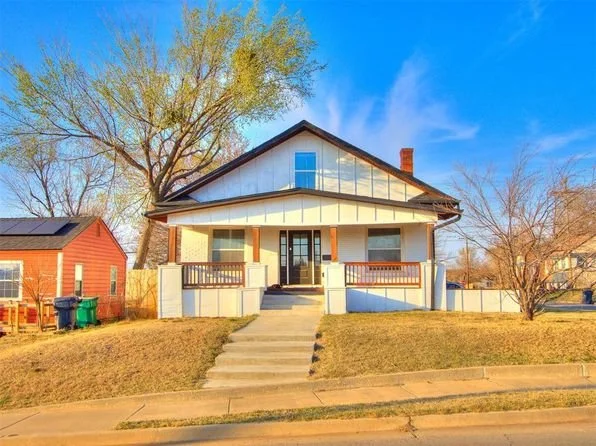
How to Maximize ROI on Rental Properties in Oklahoma City
Increase income, reduce vacancy, and improve long-term returns with smarter property strategies.
Read Article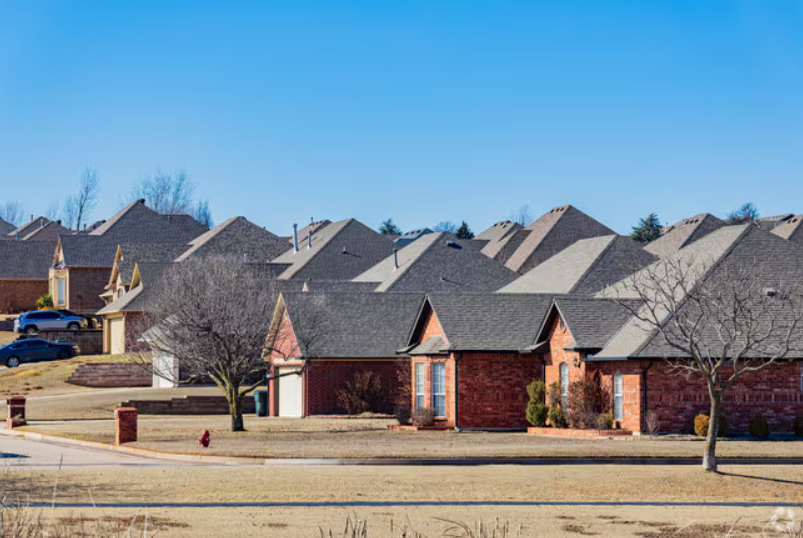
Self-Manage vs Property Manager in Oklahoma City
Compare costs, time, and risk to decide the best way to manage your rental property.
Read Guide
Best Property Management Companies in Oklahoma City
Compare property management companies in OKC by services, systems, and value.
Read GuideReady to tighten operations for 2027?
With new supply drying up and insurance and maintenance costs demanding sharper oversight, 2027 will reward owners who run their rentals with clean data, proactive maintenance, and disciplined renewal pricing. Simple Property Management helps landlords across Oklahoma City, Edmond, Moore, Norman, Yukon, and Mustang protect cash flow and capture the market’s next phase.
Comments
Comments are moderated before appearing publicly.